
Shelf gaps and planogram drift caught before customers notice.
Hourly
shelf checks, not yearly audits
Per facing
gap detection
Chain-wide
planogram comparison
What goes wrong today
The change happens long before anyone sees it.
- Out-of-stock facings cost sales silently all day.
- Planogram compliance is audited a few times a year.
- Store staff walk the floor looking for problems by eye.
Example
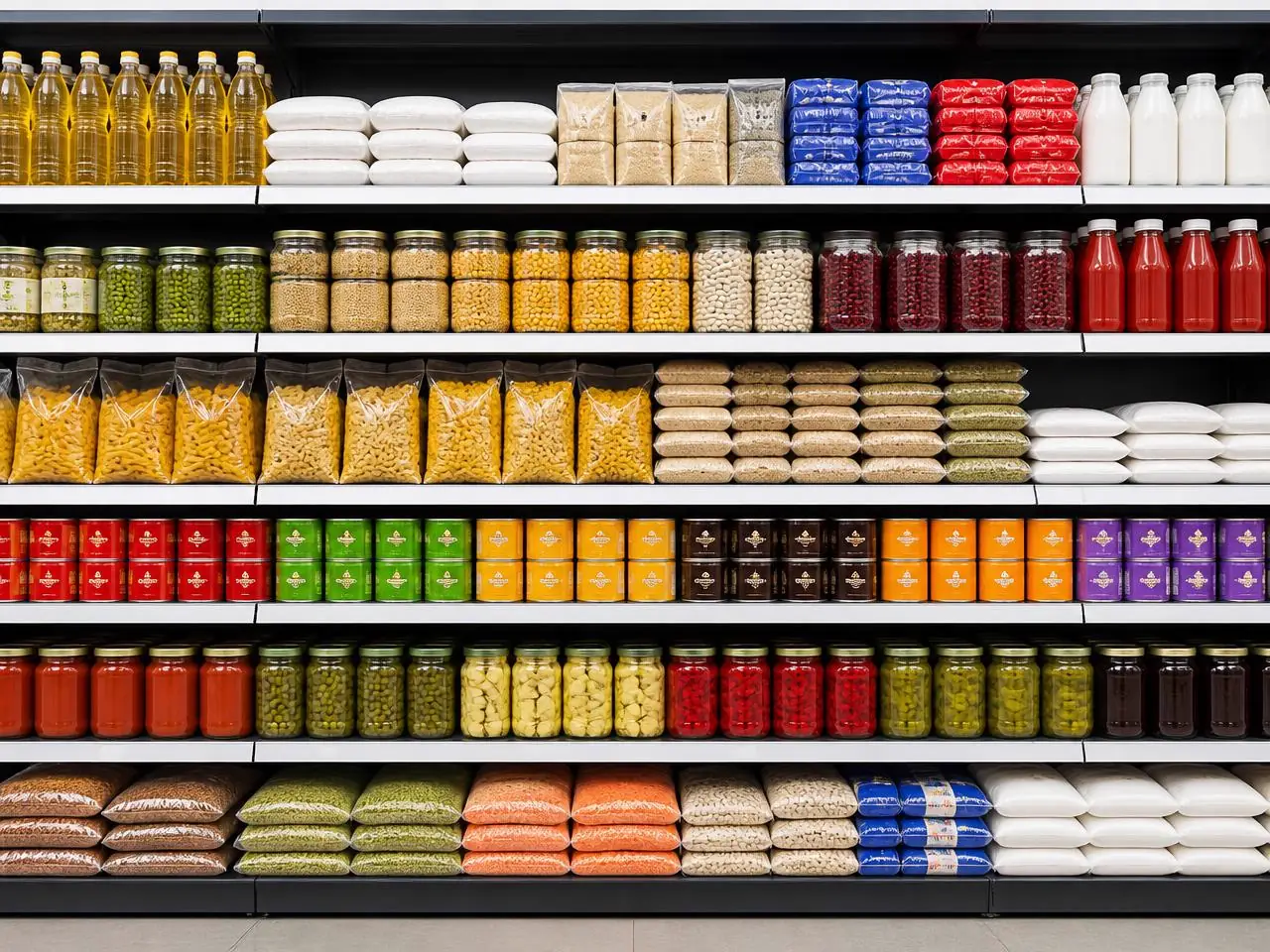
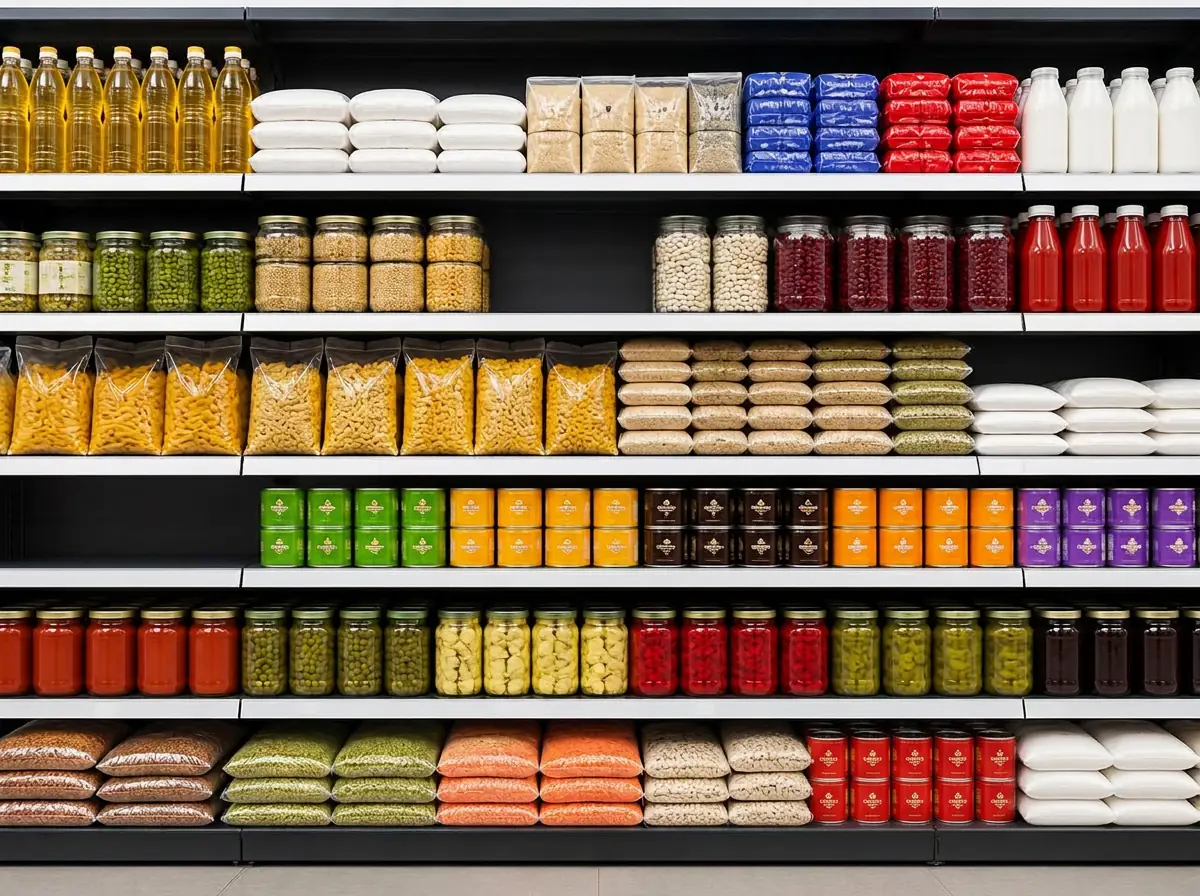
Baseline vs. scan, side by side.
The left photo is what you taught MemoSafe. The right one is a later scan, with every change boxed and named on the image itself.
What it detects
Trained on the details of retail.
Shelf gaps
Empty facings are counted so replenishment is targeted, not guessed.
Planogram drift
Products in the wrong position or facing the wrong way are flagged as changed.
Display integrity
Promotional displays are checked against the launch photo across every store.
How it works
Four steps, one phone.

Step 1
Photograph the planogram
Capture each bay exactly as it should look after set-up.
Step 2
AI learns the layout
Products, facings and positions are recognised from the photo.
Step 3
Scan during the day
Staff scan bays on their round; every scan is compared instantly.
Step 4
Fill the right gaps
A prioritised list of bays and facings goes straight to the floor team.
In practice
Write the rule the way you would say it.
Area
Bay 12 — beverages
Your rule
"Alert me if more than 3 facings are empty"
Alert
6 empty facings in bay 12 — restock now.
Area
Promo end cap
Your rule
"Alert me if the display differs from the launch photo"
Alert
End cap missing top-shelf product row.
Area
Checkout impulse
Your rule
"Tell me twice a day what is out of stock"
Alert
Midday check: 3 SKUs out of stock at checkout.